- CBT methods
- Mindfulness practice
- Values work
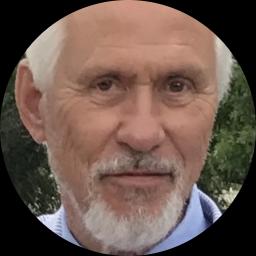
About Johnnie
He approaches sessions as a practical collaboration. He uses Cognitive Behavioral Therapy (CBT), Acceptance and Commitment Therapy (ACT), Dialectical Behavior Therapy (DBT), mindfulness, and solution-focused ideas to help people test changes that matter to them. Sessions look at everyday choices, thinking patterns, and coping skills rather than abstract theory.
Ezell asks people to consider their values and how daily behavior lines up with those values. He encourages small experiments and step-by-step changes. He also addresses substance and process addictions alongside mood and anxiety concerns when those issues are present.
Over his career he has worked with a wide range of mood and addiction-related problems, and he draws on practical methods to reduce distress and increase day-to-day functioning. He describes therapy as a chance to re-evaluate beliefs and habits and to try different options.
Sessions are arranged through the site process - start by completing the brief matching questionnaire and schedule an initial meeting. Costs vary by location and use a subscription that can be canceled at any time.
Areas of expertise
Primary focus
Additional focus areas
Therapeutic approaches
Experience
30+ years
Credentials
Arkansas, Missouri
Languages
English
How his approaches translate to online work
Johnnie often draws on Cognitive Behavioral Therapy and Acceptance and Commitment Therapy when working with low self-esteem and anxiety. CBT focuses on identifying and testing unhelpful thoughts and building practical skills to change behavior. ACT emphasizes clarifying values and taking committed actions that match those values, even when uncomfortable feelings appear.He also uses elements of Dialectical Behavior Therapy for emotion regulation and mindfulness for increasing present-moment awareness. DBT skills can help with intense emotions and urges, while mindfulness supports noticing thoughts and feelings without immediate reaction. These approaches aim to produce concrete changes in day-to-day coping and decision making.
Finding the right approach is collaborative. He will review a client's goals, preferences, and current struggles and suggest which methods to try first. The plan can be adjusted as progress is reviewed so that techniques fit the person's real life and priorities.
Session formats are not listed in the biography, so confirm current options before booking. Online work can make it easier to fit sessions into a busy week, allow shorter check-ins when needed, and avoid travel time. Licensed professionals can adapt exercises, homework, and skill practice to an online setting so progress continues between meetings.
Frequently asked questions
What concerns does he help with most often?
He commonly works with stress, anxiety, addictions, grief, self esteem, and depression, plus related mood and behavior issues.
What is his general approach in sessions?
He uses practical, collaborative methods drawing from CBT, ACT, DBT, mindfulness, and solution-focused techniques to test what works for each person.
How much clinical experience does he have?
He has 30 years of experience as a Licensed Professional Counselor and has worked extensively with mood and addiction concerns.
What are his professional credentials and location?
He is an LPC licensed in Arkansas and Missouri and practices from Arkansas.
Which languages are supported for sessions?
Sessions are offered in English.
Does he accept international clients?
He does not accept international clients at this time.
How are sessions paid for?
Costs vary with location and sessions use a subscription model that can be canceled at any time.
What are the first steps to begin working together?
Use the See online therapy options button, complete the short matching questionnaire, and then schedule a first session.