- Stress and anxiety
- CBT and DBT methods
- Trauma-focused care
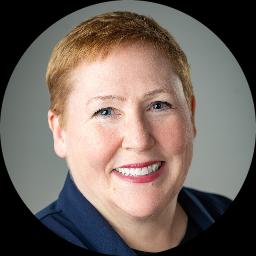
About Holly
Holly works from a trauma-informed perspective and treats trauma-related symptoms including post-traumatic stress and complex trauma. She uses practical strategies so people can notice small changes in how they react and cope. Sessions focus on what the person needs now, and on skills to handle strong emotions and distress.
Her approach draws on several methods. Cognitive Behavioral Therapy (CBT) is used to look at patterns of thinking and behavior that keep problems going. Dialectical Behavior Therapy (DBT) offers concrete skills for managing intense feelings and impulsive reactions. Mindfulness practices are used to build awareness of present-moment experience.
Holly also includes trauma-focused therapy when past events are causing ongoing symptoms like dissociation, self-harm urges, or mood instability. She discusses treatment goals with each person and works collaboratively to set practical steps. Family of origin issues, guilt and shame, and sexual assault and abuse are among the concerns she addresses.
In sessions she aims to develop a clear plan that fits daily life. People who struggle with social anxiety, seasonal affective disorder, or difficulty coping after disasters can find focused strategies and skills. Language of service is English and practice is located in Wisconsin.
Areas of expertise
Primary focus
Additional focus areas
Therapeutic approaches
Experience
15+ years
Credentials
Wisconsin
Languages
English
How her approaches translate to online work
Holly commonly uses Cognitive Behavioral Therapy and Dialectical Behavior Therapy in her practice. CBT involves noticing unhelpful thoughts and testing them against real life, which helps reduce anxiety and low mood by changing patterns of thinking and behavior. DBT teaches specific skills for tolerating distress, regulating strong emotions, and improving interpersonal effectiveness, which can be helpful for people who experience impulsivity or emotion dysregulation.She also draws on trauma-focused therapy when past events continue to cause symptoms. That approach works through understanding how past experiences affect current reactions and learning ways to reduce trauma-driven responses. Choosing which combination of approaches to use is collaborative; the therapist and client will decide together based on needs, goals, and personal preferences.
Confirm the current session options before booking, as formats are not listed in the biography. Online work can make it easier to fit therapy into a busy day, allow shorter check-ins when time is limited, and remove the need to travel for an appointment. Therapists compare approaches and adjust methods over time so the work fits the client's everyday life and practical constraints.
Frequently asked questions
What issues does she help most often?
She commonly helps people with stress, anxiety, depression, self esteem concerns, and trauma-related symptoms including PTSD and complex trauma.
What is her general therapeutic style?
She uses a trauma-informed, client-centered style that focuses on practical skills and collaborative goal setting.
How much experience does she have?
She has been practicing in the mental health field since 2008, which totals about 15 years of experience.
What credential and location are on file?
She is an LCSW licensed in Wisconsin and practices from that state.
Which languages are sessions offered in?
Sessions are offered in English only.
Can international clients work with her?
She is not accepting international clients at this time.
How are sessions priced?
Cost varies with location and sessions use a subscription model that can be canceled at any time.
What do I do to begin?
Select the See online therapy options button, complete a short matching questionnaire, and schedule a first session.