- stress and anxiety
- CBT and EFT methods
- relationship work
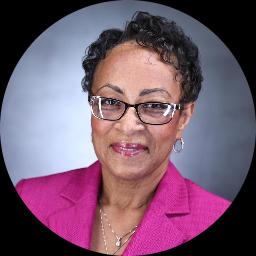
About Hollie
Campbell centers sessions on listening first and responding in ways that make sense for each person. She uses practical conversation to help people notice patterns, try small changes, and check what works. Sessions tend to focus on clear steps rather than long theories, with time for questions and review of progress.
Her background includes several evidence-informed approaches. She draws on client-centered techniques to follow what matters most to the person in front of her. She pairs that with cognitive behavioral strategies that look at thoughts and behaviors that keep problems going. Emotionally-focused ideas and relationship tools from the Gottman Method are used when connection and intimacy are central concerns.
People who come to Campbell often want straightforward help with communication, attachment worries, or recovering after betrayal or loss. She also supports those dealing with multicultural stress, identity-related discrimination, phobias, and self-harm thoughts by addressing immediate concerns alongside longer-term patterns.
Her approach is collaborative and practical. New clients complete a short intake and then work together with her to set goals and choose methods that fit day-to-day life.
Areas of expertise
Primary focus
Also works with
Additional focus areas
Therapeutic approaches
Experience
9+ years
Credentials
Illinois
Languages
English
How her approaches translate to online work
Dr. Campbell uses client-centered work and cognitive behavioral therapy in many sessions. Client-centered work means she follows what matters most to the person, listening carefully and letting that guide the pace and topics. Cognitive behavioral therapy involves looking at thoughts and behaviors that keep problems going and trying small, practical experiments to see what changes. She also draws on emotionally-focused and Gottman ideas when relationship and attachment issues are the focus, helping people track emotional patterns and improve communication.Finding the right approach is part of the work together. She will talk with each person about goals, preferences, and day-to-day constraints, and then recommend one or two methods to try first. That plan can be adjusted as progress is reviewed so the approach fits the client's needs rather than the other way around.
The therapist's biography does not list specific session formats, so confirm the available online options before booking. In general, online sessions can make it easier to fit therapy into a busy schedule, allow shorter check-ins when needed, and avoid travel time. These practical benefits can help people maintain continuity of care while testing which therapeutic tools feel most useful.
Frequently asked questions
What concerns does she most often help with?
She works with stress, anxiety, relationship problems, trauma and abuse, intimacy-related issues, self-esteem, grief, eating concerns, depression, ADHD, and coping with life changes.
What therapeutic style does she use?
Her style is client-centered and collaborative, using conversation to identify problems and try practical changes. She also integrates cognitive behavioral techniques and emotionally focused and Gottman methods when relationship issues are central.
How much experience does she have?
She has nine years of professional experience working with adults on a range of concerns including trauma, attachment issues, and relationship distress.
What are her credentials and where is she based?
She holds the LCPC credential and is licensed in Illinois.
Which languages are supported and can she see international clients?
Sessions are offered in English. She is not currently accepting international clients.
What session formats are available?
The biography does not specify session formats; please confirm current session options before booking.
How are sessions paid for and what do they cost?
Cost varies with location and sessions use a subscription that can be canceled at any time.
How do I begin working with her?
Select the See online therapy options button, complete a short matching questionnaire, and schedule a first session.