- Attachment-based work
- CBT and DBT skills
- Motivational interviewing
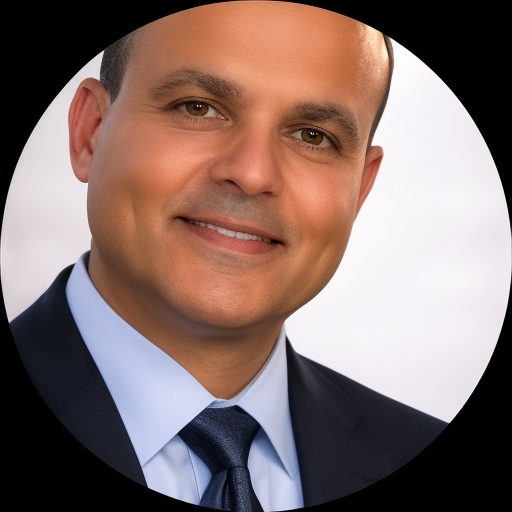
About Harout
He uses straightforward conversation to help people notice how past events shape current feelings and choices. Harry draws on psychodynamic ideas to trace patterns that repeat in relationships and self-perception. He also integrates approaches such as attachment-based work, client-centered methods, cognitive behavioral techniques, dialectical behavior skills, and motivational interviewing when they fit a person’s needs.
In sessions he helps people identify specific thoughts and behaviors that keep them stuck. That can include practicing new ways of handling strong emotions, testing different perspectives, and building clearer boundaries. He pays attention to relational patterns that affect self-worth and intimacy.
Harry earned a Master of Arts in Clinical Psychology from Antioch University Los Angeles and a Bachelor of Arts in Sociology from California State University, Los Angeles. His credential is California LMFT. He offers therapy in English, Arabic, and Armenian.
People who doubt their value or compare themselves to others often begin here by naming one or two clear problems. Harry focuses on practical, understandable steps people can take between sessions to notice change and build steadier self-regard.
Areas of expertise
Primary focus
Also works with
Additional focus areas
Therapeutic approaches
Experience
11+ years
Credentials
California
Languages
English, Arabic, Armenian
How his approaches translate to online work
Attachment-based work focuses on how early and current relationships shape trust and closeness. Online sessions using this lens look at patterns in how clients connect and distance themselves, which can help with intimacy and self-worth issues. Client-centered work emphasizes a person’s own goals and perspective. In remote sessions this means the therapist follows the client’s lead and helps them name what matters most in everyday life. Cognitive behavioral therapy (CBT) targets unhelpful thoughts and behaviors with concrete exercises. Online CBT often uses short between-session tasks and thought-record exercises to practice new reactions to stress and comparison.Choosing an approach is a collaborative process. The therapist will work with the client to test methods, adjust when something does not fit, and combine strategies that match symptoms, values, and goals. That process is active and practical rather than fixed.
The biography does not specify which session formats are offered, so confirm available options before booking. Many people find online sessions help fit therapy around work, caregiving, or travel. Online work can make it easier to do brief check-ins, use worksheets between meetings, or meet without commuting. Talk with the therapist about scheduling and the best ways to practice skills between sessions to make therapy usable in day-to-day life.
Frequently asked questions
What concerns does he address most often?
He commonly helps with stress, anxiety, relationship conflict, trauma and abuse, self-esteem issues, depression, grief, and intimacy-related problems.
What is his general therapeutic style?
Sessions combine psychodynamic exploration with practical techniques from CBT and DBT to address patterns and teach emotion regulation skills.
How many years has he practiced?
He has been practicing psychotherapy since 2014, totaling 11 years of experience.
What credential and location does he hold?
He is a California LMFT and bases his practice in California.
Which languages are supported in sessions?
Sessions are offered in English, Arabic, and Armenian.
Can people outside the US work with him?
He does not accept international clients at this time.
How are fees handled?
Cost varies by location; sessions use a subscription that can be canceled at any time.
What do I do to start a first session?
Select the See online therapy options button, complete a short matching questionnaire, and schedule a first session.