- Self esteem
- Anxiety
- Trauma
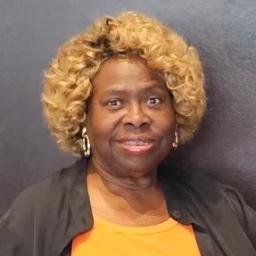
About Erma
She uses conversations to identify what feels most urgent and what patterns keep repeating. Sessions typically focus on skills people can use between meetings, such as managing panic, handling social anxiety, or reducing self-criticism. She draws on several approaches to match the moment in session and the person’s goals.
Erma often works on issues tied to abandonment, shame, guilt, isolation, and relationship patterns like control or narcissistic dynamics. She also supports those dealing with caregiver stress, impulsivity, and mood shifts. When trauma or past abuse is part of the picture, the work balances safety with practical steps to reduce symptoms like panic attacks or flashbacks.
Her methods include client-centered conversation, cognitive behavioral techniques to shift thinking and behavior, dialectical behavior strategies for emotion regulation, mindfulness practices to steady attention, and psychodynamic ideas about how past experience shapes present reactions. The mix is chosen to fit the problem at hand rather than follow a single formula.
People who feel hard on themselves or who keep comparing themselves to others often come for help with confidence and self worth. Erma asks direct questions, suggests concrete tools, and checks in about how those tools are working in everyday life.
Areas of expertise
Primary focus
Additional focus areas
Therapeutic approaches
Experience
22+ years
Credentials
California
Languages
English
How her therapeutic approaches translate to online work
Erma commonly combines client-centered work with cognitive behavioral therapy and dialectical behavior therapy. Client-centered work focuses on listening and understanding what matters most to the person, helping them name feelings and priorities. Cognitive behavioral therapy looks at the links between thoughts, feelings, and actions and teaches practical skills to change unhelpful patterns. Dialectical behavior therapy adds clear tools for managing strong emotions and reducing impulsive reactions.Choosing the right approach is a collaborative process. She will discuss goals, try different methods, and adjust based on what helps most. The idea is to find approaches that fit the person’s preferences and daily life rather than following a single plan from the start.
The therapist’s biography does not specify exact session formats here, so confirm current session options before booking. Online work can make it easier to fit therapy into a busy week, keep appointments without travel, and use shorter check-ins when needed. It also means practicing skills in the settings where problems happen, then reviewing what worked in the next meeting.
Frequently asked questions
What does she help with most often?
She helps with stress, anxiety, trauma and abuse, self esteem, depression, and coping with life changes.
What is her general approach in sessions?
She blends client-centered conversation with practical techniques from CBT, DBT, mindfulness, and psychodynamic thinking to address immediate problems and recurring patterns.
How long has she worked in this field?
She has 22 years of professional experience as a social work clinician.
What are her credentials and where is she based?
She is a LCSW licensed in California.
In which language are sessions offered?
Sessions are offered in English.
Can people outside the US work with her?
She does not accept international clients.
How are fees handled?
Cost varies with location and sessions use a subscription that can be canceled at any time.
How do I begin if I want to work together?
Select the See online therapy options button, complete a short matching questionnaire, and schedule a first session.