- Psychodynamic orientation
- Behavioral focus
- Trauma experience
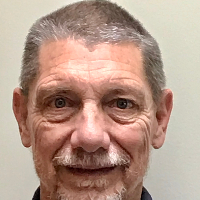
About Edward
He spent 35 years working in a special education school, mainly with adolescents and their families, before moving into independent practice about ten years ago. Since then he has focused on one-on-one work with adults across a wide age range. That background shapes a practical approach to common problems and to how people manage daily life.
He describes his style as easy-going, informal, practical, and nonjudgmental. He places value on the partnership formed in sessions and on straightforward, doable steps that address immediate needs. That can mean focusing on behavior changes in the here and now when that is most helpful.
Psychodynamic ideas influence his thinking about patterns and long-term themes. At the same time he pays attention to changing thinking patterns and behavior in the present moment. The work often mixes attention to past influences with concrete strategies for coping today.
He has adapted his practice to provide remote therapy during the pandemic and has found remote sessions to be effective and practical for many people. He welcomes questions and encourages anyone curious about therapy to ask before booking.
Areas of expertise
Primary focus
Also works with
Experience
30+ years
Credentials
Maryland, Delaware
Languages
English
How therapeutic approaches inform online sessions
Edward draws on psychodynamic ideas and practical behavior-focused strategies. Psychodynamic work looks at recurring patterns and how past experiences shape present reactions, which can help when low self-esteem feels linked to long-standing themes. Behavioral and cognitive approaches focus on changing actions and thoughts in the here and now, useful for immediate problems like anxiety, sleep disruption, or managing mood swings.Finding the right approach is part of the work. He treats selection of methods as collaborative, and he will help figure out what fits best based on a person's goals and day-to-day needs. That may mean starting with brief behavior changes, then exploring deeper patterns as trust and clarity grow.
Session formats should be confirmed before booking, since the original biography does not list specific supported formats. Remote therapy can make it easier to fit sessions into a busy life, reduce travel time, and allow quicker check-ins when needed. Phone sessions may be useful for short or lower-bandwidth check-ins, while video can make it easier to use visual cues during conversation. Confirm available session formats when you schedule so the practical setup meets your needs.
Frequently asked questions
What kinds of problems does he most often address?
He works with stress, anxiety, trauma and abuse, anger, bipolar and depression, addictions, relationship and family concerns, grief, intimacy issues, sleep problems, parenting strain, self esteem, coping with life changes, and ADHD.
How would you describe his therapeutic style?
His style is informal and practical, emphasizing partnership. He blends longer-term psychodynamic thinking with immediate behavior and thought changes when those are needed.
How much clinical experience does he have?
He has three decades of experience, including 35 years in special education settings and roughly ten years in independent practice working with adults.
What are his credentials and where is he based?
He holds LCPC in Maryland and LPC in Delaware and practices from Maryland.
Can sessions be conducted in languages other than English?
Sessions are offered in English.
Does he work with international clients?
He is not currently accepting international clients.
How are session costs handled?
Cost varies with location; sessions use a subscription that can be canceled at any time.
What do I do to start a first session?
Click the See online therapy options button, complete a short matching questionnaire, and schedule a first session.