- CBT methods
- Client-centered care
- Solution-focused goals
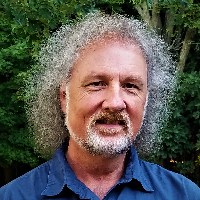
About David
David uses straightforward conversation to help people sort through what feels unmanageable. He listens for the patterns that keep problems repeating. Sessions typically focus on practical skills to reduce anxious or impulsive reactions and on naming the emotions that drive behavior.
He draws from Client-Centered Therapy to follow what a person most wants to speak about, and from Cognitive Behavioral Therapy to break down thoughts and actions into workable steps. He also uses psychodynamic ideas to trace how past experiences influence current responses, and solution-focused techniques to set short-term goals and measure progress.
People who come to him often want help with shame, guilt, adoptive or foster care issues, emptiness, impulsivity, or managing panic attacks. David aims to help people build clearer coping plans and steadier day-to-day routines rather than promising sudden change.
He combines clinical experience with a faith-informed outlook when clients wish to include those values in sessions. Sessions are conducted in English and he accepts international clients; confirm the current session options before booking. To begin, clients complete a short matching questionnaire and then schedule a first session.
Areas of expertise
Primary focus
Also works with
Additional focus areas
Therapeutic approaches
Experience
35+ years
Credentials
Indiana, Tennessee
Languages
English
How his approaches are used in online sessions
Client-Centered Therapy focuses on what the person brings to the session and follows their priorities. It is useful when someone needs to talk through feelings of shame, guilt, emptiness, or family concerns and wants the pace set by their own concerns. Cognitive Behavioral Therapy (CBT) breaks down thoughts, feelings, and behaviors into steps and teaches practical tools to reduce anxiety, panic attacks, and depressive thinking. Psychodynamic therapy looks at how past relationships and experiences shape current reactions and can help with long-standing patterns and impulsivity.Finding the right mix of approaches is part of the work. The therapist will discuss goals and preferences, and together they will choose methods that fit the person's needs. That process is collaborative and may shift as progress is made.
The original biography does not specify which online session formats are used, so confirm the available options before booking. Online work can make it easier to fit therapy into a busy schedule, allow shorter check-ins when time is limited, and avoid travel time. Licensed professionals can adapt CBT worksheets, solution-focused goal setting, and client-centered conversation to remote sessions, helping people apply skills in everyday life without promising specific outcomes.
Frequently asked questions
What concerns does he most often address?
He commonly helps people with stress, anxiety, self-esteem, depression, trauma, grief, relationship and family difficulties, and impulsivity issues.
What is his therapeutic style like?
His style is conversational and practical, focusing on skills, emotional naming, and identifying repeating patterns that keep problems going.
How much clinical experience does he have?
He has 35 years of experience working with a wide range of mood and anxiety concerns.
What are his credentials and where is he based?
He holds LMHC and LPC credentials and practices from Indiana.
Which languages are supported and can he work with international clients?
Sessions are offered in English and he accepts international clients.
What session formats are available?
The original biography does not list specific session formats; please confirm the current options before booking.
How is cost handled?
Cost varies with location and sessions use a subscription that can be canceled at any time.
How do I get started with him?
Select the See online therapy options button, complete a short matching questionnaire, and then schedule a first session.