- Client-Centered Therapy
- Cognitive Behavioral Therapy
- Mindfulness techniques
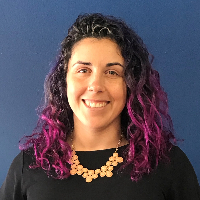
About Danielle
She completed a Master of Arts in Clinical Psychology at Antioch University in 2018 and has spent years in outpatient mental health settings. Much of her early work involved people affected by incarceration, probation, parole, and chronic homelessness. That background shaped her focus on practical problem solving and steady support during transitions.
Danielle favors straightforward, person-centered care. She uses client-centered conversation to understand what matters most to each person. She also draws on cognitive behavioral techniques to spot unhelpful thinking and mindfulness strategies to reduce reactivity.
Motivational Interviewing is part of her approach when change feels difficult or stuck, and narrative work helps people reframe harmful stories they tell about themselves. She combines these methods rather than relying on a single model, matching tools to a person's needs and goals.
In sessions she focuses on concrete steps and realistic coping strategies. She aims to help people reduce distress, rebuild a sense of agency, and make clearer choices about relationships, substance use, and daily routines. The emphasis is on practical progress rather than quick fixes.
Areas of expertise
Primary focus
Also works with
Additional focus areas
Therapeutic approaches
Experience
6+ years
Credentials
California
Languages
English
How Danielle Uses Therapy Methods Online
Danielle often blends client-centered work with Cognitive Behavioral Therapy (CBT) and Mindfulness Therapy. Client-centered work focuses on listening and understanding each person's priorities so sessions follow what matters most. CBT looks at thoughts and behaviors to find practical ways to reduce worry, low mood, or self-critical thinking. Mindfulness Therapy teaches simple attention practices to reduce reactivity and clear space for more deliberate choices.Finding the right approach is part of the process. Danielle discusses options with each person and adapts methods to fit their goals and preferences. This is a collaborative effort where the therapist suggests tools and the person decides what feels most helpful.
Confirm the available session formats before booking so you know how she currently works online. Online sessions can make it easier to fit therapy into a busy week, allow shorter check-ins when needed, and reduce travel time. They also let people use audio-only options if video is too draining or lower bandwidth is required. Ask about session length and frequency during the matching step so scheduling fits everyday routines.
Frequently asked questions
What concerns does she address most often?
She commonly works with addiction, anxiety, depression, trauma, relationship and family issues, and self-esteem difficulties.
How would she describe her therapeutic style?
Her style is client-centered and practical, using conversation to identify goals and then applying specific tools to reach them.
What is her background and experience?
She has six years of experience and completed a Master of Arts in Clinical Psychology at Antioch University in 2018, including work in outpatient mental health settings.
What credential and location does she hold?
She is an LMFT licensed in California and practices from that state.
Which languages are supported in sessions?
Sessions are offered in English.
Can international clients work with her?
She does not accept international clients at this time.
How are fees and billing handled?
Cost varies by location and sessions use a subscription model that can be canceled at any time.
How do I start a first session?
Select the See online therapy options button, complete a short matching questionnaire, and schedule a first session.