- Attachment-based work
- Gottman Method use
- Motivational interviewing
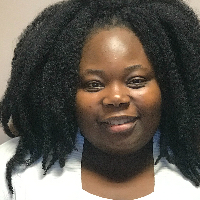
About Dana
Dana uses straightforward, person-centered methods to help people name problems and try small changes. She draws on client-centered therapy to listen and reflect what matters most to the person. Motivational interviewing is used to help people move from thinking about change to actually trying new behaviors.
Her background includes work with people who have both mental health and substance use concerns. That experience informed a 12-step informed foundation she often uses for education, behavior change, and relapse prevention strategies. She also pays attention to family of origin issues and patterns that repeat over time.
In sessions she often focuses on concrete goals like improving daily routines, managing mood shifts, and building healthier ways of relating. The Gottman Method appears in her toolkit for relationship and intimacy-related concerns, applied in ways that fit each person’s circumstances. Solution-focused strategies help keep sessions practical and goal-oriented.
People who are hard on themselves or who struggle with comparisons often get work on self-image and steady routines. Dana combines real-world strategies with reflective conversation. This helps people test changes and notice what works for them.
Areas of expertise
Primary focus
Also works with
Therapeutic approaches
Experience
12+ years
Credentials
New York
Languages
English
How her approaches translate to online work
Client-centered therapy focuses on listening and reflecting what matters to the person. Online sessions can replicate that by keeping conversation focused on the client’s priorities and pacing progress to their comfort. Attachment-Based Therapy looks at how past relationships shape current patterns and is often used to notice triggers and repair interactional habits during sessions.Motivational interviewing helps people find their own reasons to change and to move toward practical action steps. Used online, it supports setting small experiments between sessions and reviewing outcomes together. Dana will treat finding the right mix of approaches as a collaborative process; she works with each person to match methods to their goals, needs, and preferences rather than using one fixed model.
The biography does not specify which session formats she offers, so confirm current options before booking. Many people find online sessions useful because they can fit appointments into workdays, reduce travel time, and make shorter check-ins easier when schedules are tight. Others choose a format that uses less bandwidth or a quicker phone check-in for brief follow-ups. The therapist and client can decide together what structure suits day-to-day life and treatment goals.
Frequently asked questions
What concerns does she most often address?
She commonly helps with stress, anxiety, self esteem, bipolar disorder, depression, addictions, relationship and intimacy-related issues, parenting, anger, compassion fatigue, and ADHD.
What is her general approach in sessions?
She uses client-centered listening alongside solution-focused and attachment-informed approaches to set practical goals and try small changes.
How many years has she practiced?
She has 12 years of clinical experience working with people facing mental health and substance use challenges.
What credential does she hold and where is she based?
She is an LCSW (Licensed Clinical Social Worker) licensed in New York and practices there.
Does she run sessions in other languages or for international clients?
Sessions are offered in English only and she is not currently accepting international clients.
What session formats are offered?
The original biography does not specify session formats; confirm current options before booking to know whether sessions are in person, video, or phone.
How are fees handled?
Cost varies with location and sessions use a subscription model that can be canceled at any time.
How do I begin if I want to work with her?
Select the See online therapy options button, complete a short matching questionnaire, and schedule a first session.