- CBT focus
- Emotionally-Focused Therapy
- Hypnotherapy tools
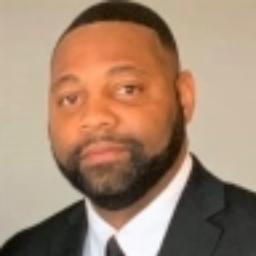
About Damien
Dr. Johnson takes a straightforward, person-centered approach. He focuses on how thoughts, feelings, and behaviors connect and uses that link to help people change what isn’t working. Sessions tend to be collaborative and goal-focused, with practical steps to try between meetings.
His work draws on Cognitive Behavioral Therapy to identify and shift unhelpful thinking patterns. He also uses Emotionally-Focused Therapy ideas to address relationship and attachment concerns, and he incorporates elements of hypnotherapy and existential thinking when helpful. Mindfulness and some Neuro-Linguistic Programming (NLP) principles may appear in sessions as additional tools.
Dr. Johnson trained in counseling after earning a B.S. in Criminal Justice, an M.A. in Counseling, and a Ph.D. in Human Services. He has clinical experience with substance use and co-occurring disorders through his personal counseling and community outreach agency.
People who feel hard on themselves or who doubt their worth often come for help with self esteem and persistent negative self-talk. In sessions he aims to clarify practical goals, build manageable skills, and reduce the day-to-day patterns that keep problems going.
Areas of expertise
Primary focus
Also works with
Therapeutic approaches
Experience
17+ years
Credentials
South Carolina, North Carolina
Languages
English
Therapeutic approaches used in online sessions
Dr. Johnson commonly uses Cognitive Behavioral Therapy and Emotionally-Focused Therapy in his work. CBT focuses on identifying unhelpful thoughts and testing them with real-world experiments to change feelings and behaviors. It is often used for anxiety, depression, anger, and self esteem struggles. EFT concentrates on emotions and attachment patterns in relationships to help improve closeness and communication.He also draws on hypnotherapy techniques when appropriate to support relaxation, habit change, or focused imagery work. These approaches are explained in plain terms and tried gradually so clients can see what helps most. Choosing the right method is part of the work together and he will help figure out the best fit based on goals, comfort, and practical needs.
Confirm which session formats are currently offered before booking, as formats can vary. Online sessions can make it easier to fit counseling into a busy schedule, reduce travel time, and allow shorter check-ins when needed. Licensed professionals can adjust pacing, homework, and tools so therapy fits everyday life rather than adding extra strain.
Frequently asked questions
What kinds of problems does he help with most often?
He works with stress, anxiety, addictions, depression, trauma, relationship and intimacy issues, grief, parenting concerns, anger, bipolar disorder, ADHD, and low self esteem.
What is his therapeutic style like?
He uses a person-centered, collaborative style that focuses on practical goals and the connections between thoughts, feelings, and behaviors.
How much clinical experience does he have?
He has 17 years of experience working in counseling and community outreach, including work with substance use and co-occurring disorders.
What are his credentials and where does he practice?
He holds LPC and LCMHC credentials and practices from South Carolina while also holding licensure in North Carolina.
Which languages are supported for sessions?
Sessions are offered in English and he accepts international clients.
What session formats are available?
Please confirm current session options before booking so you know which formats are offered at the time you schedule.
How is cost handled for sessions?
Cost varies by location and sessions are provided through a subscription that can be canceled at any time.
How do I begin a first session?
Choose the See online therapy options button, complete a short matching questionnaire, and schedule your first session.