- Attachment-Based Therapy
- Psychodynamic Therapy
- PhD in Pastoral Psychology
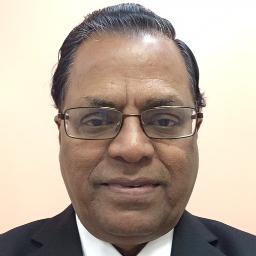
About Charlesmani
His approach blends psychodynamic ideas with attachment-based thinking. Sessions focus on patterns that repeat in relationships, and how past experiences shape present worries. He talks with clients about how their early attachments influence current trust, closeness, and self-worth.
In practical terms he helps people notice the small habits that keep them stuck. That can mean looking at how someone criticizes themselves, avoids risk, or leans on substances when stress rises. Conversations aim to make those patterns clearer so different choices feel possible.
Appointments are organized around discussion and reflection rather than quick fixes. He works to outline a plan that matches what each person wants to change and what feels manageable. The tone is direct and steady, focused on skills and insights rather than slogans.
People can expect a methodical way of working that returns regularly to relationship history and current behavior. His training in pastoral psychology informs a respectful attention to values and meaning alongside symptom work. To begin, visitors are asked to use the site's matching steps and schedule an initial session.
Areas of expertise
Primary focus
Also works with
Therapeutic approaches
Experience
11+ years
Credentials
New York
Languages
English
How his attachment and psychodynamic work translates to online sessions
Dr. Ignatius uses attachment-based ideas to look at how people form and maintain close relationships. That approach talks about patterns of trust, closeness, and avoidance and helps people understand how those patterns affect self-esteem and current relationships. Psychodynamic work focuses on recurring themes and feelings that come up in relationships and daily life, helping make unconscious patterns clearer and more manageable.Deciding which approach to emphasize is part of the work together. He will review your goals, history, and preferences and collaborate on a plan that fits what you want to change. That collaborative planning includes trying an approach and adjusting as needed based on what helps you make progress.
The biography does not list specific online session formats, so confirm available options before booking. In general, online sessions can make it easier to fit therapy into a busy life, allow shorter check-ins when needed, and reduce travel time. They also let conversations continue when schedules or location make in-person visits difficult. If you are ready to begin, use the site's matching questionnaire and schedule a first session to discuss formats and practical details.
Frequently asked questions
What concerns does he most often address?
He commonly helps with stress, anxiety, relationship and family concerns, self esteem, depression, addictions, and coping with life changes.
What is his therapeutic style?
He blends psychodynamic and attachment-based ways of working, focusing on relationship patterns and how past experiences affect current behavior.
How many years has he been practicing?
He has 11 years of professional experience practicing in New York.
What credential does he hold and where is he based?
He is listed as NY Psychoanalyst 001187 and is based in New York.
Which languages are sessions offered in?
Sessions are offered in English.
Can international clients work with him?
He is not currently accepting international clients.
How are sessions structured and what formats are offered?
Specific session formats are not stated in his biography; please confirm current session options before booking.
How does pricing work?
Cost varies with location and sessions use a subscription that can be canceled at any time.