- Client-Centered
- CBT techniques
- Coping with change
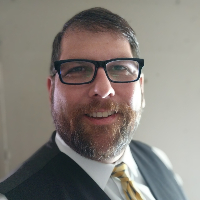
About Brian
He uses a gentle, non-directive manner that lets people set the pace while he offers guidance. He does not lecture or belittle clients. He points out irrational thoughts and inconsistencies in a way that is meant to be challenging but not confrontational.
His clinical approach draws on client-centered methods and cognitive behavioral techniques. That means he listens to what matters most to a person and then helps identify patterns of thinking and behavior to change. He also references humanistic and rational-emotive ideas to increase self-awareness.
Sessions focus on practical steps a person can try between meetings. Conversations are concrete and aimed at small, manageable changes rather than grand promises. For people who compare themselves to others or doubt their worth, he helps name those thoughts and weigh them against evidence and values.
He has worked with a wide range of concerns, including attention and substance issues as part of his broader clinical background. To begin, users complete a short matching questionnaire and schedule a first session through the See online therapy options button. Costs vary by location and use a subscription that can be canceled at any time.
Areas of expertise
Primary focus
Also works with
Additional focus areas
Therapeutic approaches
Experience
11+ years
Credentials
Texas, Arkansas
Languages
English
How his approaches translate to online work
Brian Adams uses client-centered methods that focus on the person's priorities and what matters in their life. This approach involves listening closely, reflecting what is said, and helping the person clarify goals and values so action feels relevant and doable.He also uses cognitive behavioral therapy (CBT) techniques to identify unhelpful thoughts and test them with evidence. CBT offers concrete tools for anxiety, low self-esteem, depression, and stress, such as tracking thoughts, testing assumptions, and practicing new behaviors between sessions.
Choosing the right approach is collaborative. He will help figure out which ideas and exercises fit the person's needs, goals, and preferences rather than insisting on a single method. That makes sessions more practical and focused on the changes a person wants to try.
The biography does not list specific online formats, so confirm the current session options before booking. Online work can still make it easier to fit therapy into everyday life - for example a shorter check-in during a break, avoiding travel time, or using formats that need less bandwidth when connections are limited. Licensed professionals often combine listening with home exercises and brief tools that can be used between sessions to support gradual change.
Frequently asked questions
What issues does he commonly help with?
He works with stress, anxiety, depression, grief, anger, self esteem, bipolar, ADHD, and coping with life changes and disasters.
How would you describe his therapeutic style?
He uses a gentle, non-directive approach that listens first and then challenges unhelpful thoughts in a non-confrontational way.
How much clinical experience does he have?
He holds 11 years of counseling experience and over 20 years of overall mental health experience.
What credentials and region are listed?
He is a Licensed Professional Counselor (LPC) with licensure in Arkansas (AR LPC) and Texas (TX LPC), practicing in Texas.
In what language are sessions conducted?
Sessions are offered in English and international clients are not accepted.
What formats are offered for sessions?
The original biography does not list session formats; please confirm current session options before booking.
How are sessions billed or paid for?
Costs vary with location and sessions use a subscription model that can be canceled at any time.
What are the first steps to begin working together?
Select the See online therapy options button, complete a short matching questionnaire, and schedule a first session.