- Attachment-based work
- Cognitive behavioral tools
- Emotion-focused methods
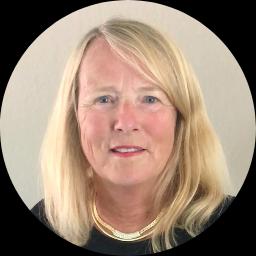
About Bente
Her approach combines several well-known methods so sessions are practical and focused. She uses Attachment-Based ideas to look at how early relationships shape current patterns. She draws on Cognitive Behavioral Therapy (CBT) to identify unhelpful thoughts and test different ways of thinking. Emotionally-Focused Therapy (EFT) is used when emotions and closeness are central concerns.
In conversation she keeps language straightforward and action oriented. Sessions often include talking through recent problems, noticing repeated patterns, and trying new ways of interacting or thinking. She pays attention to how relationships influence daily life and how that affects stress and self worth.
Bente has worked with a wide range of life situations, including caregiving stress, chronic illness, workplace issues, divorce and separation, and end-of-life concerns. She also supports people dealing with substance issues, family of origin difficulties, social anxiety, and isolation.
Sessions are offered in English and Danish. The practice is based in California and operates under a CA LMFT credential. Before booking, readers should confirm current session options and formats to match their needs.
Areas of expertise
Primary focus
Additional focus areas
Therapeutic approaches
Experience
20+ years
Credentials
California
Languages
English, Danish
How her approaches translate to online work
Attachment-Based Therapy focuses on how early and close relationships shape current responses; online sessions can help identify those patterns and practice different ways of connecting. Client-Centered Therapy centers on the person’s experience and uses reflective listening to clarify concerns and goals. Cognitive Behavioral Therapy (CBT) targets specific thoughts and behaviors, and online sessions can include concrete exercises and homework to test new thinking.Deciding which approach fits best is something she does together with each client. The therapist and client review goals, preferences, and what feels helpful, then try approaches that match the issues at hand. This collaborative process means methods can shift as work progresses.
The practical benefits of online work include fitting sessions into a busy week and keeping therapy consistent during life transitions. Before booking, confirm the current session options offered by the practice so they match your schedule and technical needs. Online sessions can make it easier to have shorter check-ins, plan regular weekly appointments, or avoid travel time, all of which help therapy fit into everyday life.
Frequently asked questions
What concerns does she address most often?
She works with stress, anxiety, relationship strain, grief and loss, self esteem, and coping with life changes.
What style of therapy does she use?
She blends Attachment-Based Therapy, Cognitive Behavioral Therapy, Emotionally-Focused Therapy and psychodynamic ideas to match the presenting issues.
How much clinical experience does she have?
She has 20 years of professional work experience as a practicing therapist.
What are her credentials and where is she based?
She is a California LMFT and her practice is located in California.
Which languages are supported in sessions?
Sessions are offered in English and Danish.
Can international clients work with her?
International clients are not currently accepted.
How does pricing and payment work?
Cost varies with location and sessions use a subscription that can be canceled at any time.
How do I begin a first session?
Use the See online therapy options button, complete a short matching questionnaire, and then schedule a first session.