- Cognitive Behavioral Therapy
- Dialectical Behavior Therapy
- Practical coping skills
About Ashley
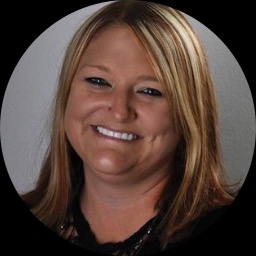
Ashley Stevens is an LPC - Licensed Professional Counselor in West Virginia with seven years of experience. She helps people who are dealing with stress, anxiety, anger, low self-esteem, depression, and big life changes. Ashley writes plainly and focuses on practical steps rather than labels.
She uses straightforward techniques from cognitive behavioral work to help people notice and change unhelpful thoughts and behaviors. She also draws on dialectical behavior ideas to teach skills for managing strong emotions and reducing impulsive reactions. Sessions tend to be interactive and skills-oriented, with practice between meetings when that’s useful.
Ashley aims to make sessions down-to-earth and focused on problem solving. She listens to what matters to each person and breaks goals into small, achievable steps. Conversations cover what is getting in the way now and what to try differently in daily life.
She emphasizes measurable skills people can use right away, such as coping tools for anxiety, short exercises to shift self-critical thinking, and ways to respond to anger without making situations worse. Progress is reviewed regularly so plans can be adjusted.
People who are tired of harsh self-judgment or who compare themselves to others may find the practical focus helpful. Before booking, confirm current session options and any administrative details you need to know.
Areas of expertise
Primary focus
Therapeutic approaches
Cognitive Behavioral Therapy (CBT)Dialectical Behavior Therapy (DBT)
Experience
7+ years
Credentials
West Virginia
Languages
English
How CBT and DBT are used in online sessions
Ashley works with cognitive behavioral therapy (CBT) to help people identify unhelpful thoughts and try small behavioral experiments. CBT sessions often include simple homework like tracking thought patterns or testing a belief in real life, which can reduce worry and increase confidence.She also uses dialectical behavior therapy (DBT) skills to teach emotion regulation, distress tolerance, and mindful awareness. These skills focus on reducing impulsive reactions and giving concrete tools to manage intense feelings such as anger or panic.
Choosing the right approach is part of the work together. Ashley will talk through goals and current problems, and she will help pick and adapt methods that fit a person’s needs and preferences. That decision is collaborative and can change over time as progress is reviewed.
Session formats are not listed in the original biography, so confirm current session options before booking. Online work can make it easier to fit therapy into a busy day, shorten travel time, and allow check-ins during breaks. It also makes it simpler to practice skills between sessions and to bring real-life situations into conversation without promising a particular format.
Frequently asked questions
What does she help with most often?
She works with stress, anxiety, anger, low self-esteem, depression, and coping with life changes.
What is her therapy style like?
Sessions are interactive and focused on practical skills and problem solving rather than labels.
How much experience does she have?
Ashley has seven years of clinical experience as an LPC in West Virginia.
What are her credentials and location?
She is an LPC - Licensed Professional Counselor based in West Virginia.
Which languages are supported?
Sessions are offered in English.
Can international clients work with her?
She does not accept international clients at this time.
How are sessions paid for and what do they cost?
Cost varies with location; sessions use a subscription that can be canceled at any time.
How do I begin working with her?
Select the See online therapy options button, complete a short matching questionnaire, and schedule a first session.