- CBT methods
- DBT skills
- Motivational interviewing
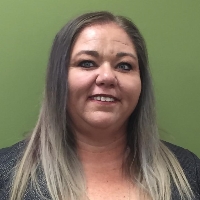
About Amy
Amy draws on straightforward, people-focused methods to help clients notice patterns and try new ways of responding. She combines cognitive-behavioral tools with client-centered listening and elements of dialectical behavior approaches and motivational interviewing. In practice this means identifying unhelpful thoughts, testing small behavior changes, and building practical skills for handling strong emotions.
She spent many years as a therapist and supervisor at a nonprofit community behavioral health agency. That background means she is familiar with a wide range of life stressors and practical barriers people face when seeking help. Amy aims to be down-to-earth and respectful in sessions.
Sessions tend to focus on short, concrete goals at first. Examples include reducing intense worry, managing urges related to addiction, improving communication in close relationships, or strengthening a sense of self worth. Progress is monitored through small, repeatable steps rather than sweeping promises.
For people who struggle with feeling not good enough, Amy emphasizes simple skills you can try between sessions. She also uses brief motivational techniques to help sustain change. To start, clients complete a short matching questionnaire and schedule a first session.
Areas of expertise
Primary focus
Also works with
Therapeutic approaches
Experience
16+ years
Credentials
Arizona, Utah
Languages
English
How therapeutic approaches shape online sessions
Amy works with cognitive-behavioral techniques and client-centered methods to guide online sessions. Cognitive-behavioral therapy focuses on identifying unhelpful thoughts and testing small behavior changes to reduce anxiety, low self esteem, and depressive patterns. Client-centered therapy emphasizes attentive listening and collaboration, helping people feel heard while deciding what changes they want to try.She often draws on dialectical behavior therapy skills when emotion regulation and intense reactions are involved. DBT skills teach concrete ways to manage strong feelings, tolerate distress, and improve interpersonal effectiveness, which can be useful for relationship strain or anger.
Finding the right approach is part of the work. Amy will talk with each person about goals and preferences and then suggest methods to try. She treats the choice of techniques as a collaborative decision and adjusts plans based on what helps in day-to-day life.
Session formats are not listed in the biography, so confirm current online options before booking. Online sessions can make it easier to fit therapy around work, childcare, or other commitments. They also allow for shorter check-ins when needed, and for practicing skills between meetings in the settings where challenges actually occur.
Frequently asked questions
What concerns does she most often help with?
She commonly helps people with stress, anxiety, low self esteem, depression, addictions, relationship and parenting difficulties, grief, and coping with life changes.
What style of therapy does she use?
Her approach combines client-centered listening with cognitive-behavioral techniques, dialectical behavior ideas, mindfulness, and motivational interviewing to address thoughts, behaviors, and emotion regulation.
How much experience does she have?
She has 16 years of clinical experience, including time spent as a therapist and supervisor at a nonprofit community behavioral health agency.
What are her credentials and location?
She is an LPC and LCMHC licensed in Arizona and practices from that state.
Which languages are supported in sessions?
Sessions are offered in English.
Can I work with her from outside the United States?
She does not accept international clients at this time.
How does payment and cost work?
Cost varies with location and services; sessions use a subscription model that can be canceled at any time.
What do I need to do to begin?
Use the See online therapy options button, complete the short matching questionnaire, and schedule your first session.