- Depression support
- Trauma recovery
- Practical coping skills
About Shonsai
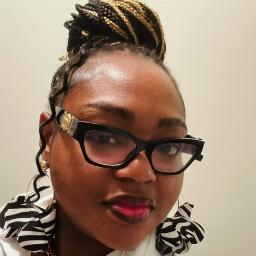
Shonsai Dickson is a Licensed Clinical Social Worker (LCSW) practicing in Georgia with four years of experience. She works with people facing depression, anxiety, stress, relationship difficulties, trauma and abuse, and self esteem concerns. She communicates in English and uses evidence-based methods to help clients make practical changes.
Shonsai focuses on clear, practical conversation rather than jargon. Sessions tend to center on identifying patterns that cause distress and trying small, doable changes. She pays attention to each person's background and values when discussing options for coping, managing emotions, and improving self-regard.
Her approach draws on evidence-based therapeutic techniques to build skills for coping with anxiety and low mood. She encourages clients to notice habits of self-criticism, try different responses, and track what helps in everyday life. Therapy sessions can include problem-solving, gradual behavior changes, and examining past experiences that affect current relationships.
Shonsai aims to help people feel more confident in their choices and clearer about their next steps. She explains things in plain language and sets realistic short-term goals. Progress is measured by what clients notice changing in day-to-day routines and relationships.
To begin, people complete a short questionnaire and schedule a first session. The work that follows is collaborative and paced to the person’s needs and readiness.
Areas of expertise
Primary focus
Experience
4+ years
Credentials
Georgia
Languages
English
How evidence-based techniques translate to online sessions
Shonsai uses familiar evidence-based approaches that focus on changing unhelpful patterns and building everyday coping skills. One approach focuses on identifying and testing thoughts that increase anxiety or self-criticism, helping people try different, more helpful ways of thinking. Another approach concentrates on behavioral changes - setting small, achievable goals and practicing them until they feel more automatic and less overwhelming.Choosing the right approach is part of the work together. She will review concerns, goals, and personal preferences and then suggest techniques to try. Clients and Shonsai decide collaboratively which methods to continue and which to adjust as progress is observed.
For practical details about session formats, confirm current options before booking. Many people find online therapy useful for fitting sessions into busy routines, keeping appointments during work breaks, or reducing travel time. Online sessions can make it easier to maintain regular check-ins and to practice new skills between meetings, which supports steady, manageable change.
Frequently asked questions
What kinds of problems does she help with most?
She works with depression, anxiety, stress, relationship challenges, trauma and abuse, and self esteem concerns.
How would you describe her therapeutic style?
She uses straightforward, practical conversation and evidence-based techniques to identify patterns and try manageable changes.
How much clinical experience does she have?
She has four years of experience as a clinician working with the concerns listed on her profile.
What credentials and location are listed for her?
She is listed as LCSW and CSW and practices in Georgia.
Which languages are used in her sessions?
Sessions are offered in English.
Can people outside the United States work with her?
She does not accept international clients at this time.
What does therapy cost and how is billing handled?
Cost varies by location; sessions use a subscription that can be canceled at any time.
What are the steps to begin with her?
Use the See online therapy options button, complete a short matching questionnaire, and schedule a first session.