- Depression support
- Trauma informed work
- Relationship skills
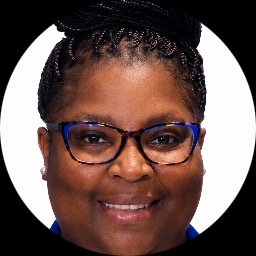
About Shanata
Shanata uses evidence-based therapeutic techniques to help people notice unhelpful patterns and try different ways of coping. She breaks down problems into manageable parts and helps clients choose small, achievable goals. Conversations often look at how thoughts, feelings, and behaviors interact and what to change first to make daily life easier.
She pays attention to how past experiences influence current reactions, particularly after trauma and abuse. Work on relationships centers on communication skills and understanding recurring conflicts. For self esteem concerns, Shanata focuses on concrete exercises that build a steadier sense of self rather than quick fixes.
During sessions she aims to listen closely, offer straightforward feedback, and suggest practical tools that a person can try between meetings. Progress is tracked by what people notice changing in everyday routines and relationships. Shanata asks about the outcomes that matter most and adapts the pace to each person's comfort level.
To begin, she asks people to describe their main concern and recent history so she can recommend focused next steps. The work is collaborative and paced so clients can make changes without feeling overwhelmed.
Areas of expertise
Primary focus
Experience
3+ years
Credentials
North Carolina, South Carolina
Languages
English
How evidence-based methods translate to online sessions
Shanata works from evidence-based therapeutic techniques that focus on changing unhelpful thoughts and behaviors and on processing difficult experiences. Cognitive behavioral approaches look at how thoughts shape feelings and actions and teach practical skills for managing anxiety and low mood. Trauma-focused methods help people make sense of painful memories and reduce their impact on current life.Deciding which approach to use is collaborative. Shanata will discuss what feels most relevant, test a method for a few sessions, and adjust it based on what a person reports and prefers. The goal is to find an approach that fits the client’s objectives and pace rather than insisting on one model.
The original biography does not list specific online session formats, so confirm available formats before booking. Online sessions can make it easier to fit therapy around work or family tasks, save travel time, and offer quicker check-ins when needed. Some formats also allow shorter conversations when that is more practical, or reduce the need to be on camera if that helps someone engage more comfortably.
Frequently asked questions
What concerns does she most often help with?
She helps people who are dealing with depression, anxiety, stress, relationship difficulties, trauma and abuse, and self esteem struggles.
What is her therapeutic style like?
Her style is straightforward and practical, focusing on evidence-based techniques and clear discussion about what to try next.
How much clinical experience does she have?
She has three years of experience working as a counselor in North Carolina.
What credentials does she hold and where is she located?
She holds LCMHC and LPC credentials and practices in North Carolina.
Can I work with her if I'm outside the United States?
Sessions are offered in English and international clients are not currently accepted.
What session formats are offered?
The original biography does not specify session formats; please confirm current session options before booking.
How are sessions paid for and what does cost look like?
Cost varies with location and sessions use a subscription that can be canceled at any time.
How do I get started with a first session?
Select the See online therapy options button, complete a short matching questionnaire, and schedule an initial session.