- CBT approaches
- DBT skills
- Mindfulness tools
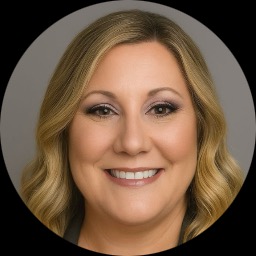
About Rachel
Rachel works with individuals who are hard on themselves and who doubt their worth. She keeps sessions direct and practical. Conversations look at what's happening now and what strategies can help in daily life.
Her approach combines listening with evidence-based methods. Rachel draws on client-centered work to follow the person's priorities, and uses cognitive behavioral techniques to identify unhelpful thought patterns. She also integrates dialectical behavior strategies and mindfulness practices to teach concrete skills for managing intense emotions.
In sessions she will help people notice patterns that contribute to low self-esteem and practice alternative responses. The focus is on small steps that feel doable rather than big, distant goals. She also uses motivational interviewing to clarify values and strengthen the reasons for change.
Rachel has worked in clinical settings across New Hampshire for nearly two decades. Her style is steady and goal oriented, aimed at helping clients reduce shame, reconnect with what matters to them, and build more reliable ways of coping with stress and anxiety.
Areas of expertise
Primary focus
Additional focus areas
Therapeutic approaches
Experience
18+ years
Credentials
New Hampshire
Languages
English
How Rachel applies different approaches online
Rachel often uses client-centered methods and cognitive behavioral therapy in her work. Client-centered work means the therapist listens closely to what matters most to the person and follows their priorities. Cognitive behavioral therapy involves identifying unhelpful thoughts and testing small behavioral changes to reduce anxiety and improve self-esteem.She also uses dialectical behavior therapy skills to teach concrete techniques for managing intense emotions and improving interpersonal effectiveness. DBT skills are useful for staying steady during high stress and for reducing shame-driven reactions.
Finding the right mix of approaches is part of the work. She will talk with each person about goals, preferences, and what has or hasn’t helped before, and then try approaches that fit those needs. This is a collaborative process and adjustments are expected as therapy progresses.
The original biography does not list specific online session formats, so confirm available options before booking. Online sessions can make it easier to fit therapy into a busy week, allow shorter check-ins when needed, and reduce travel time. Talk with her about what will best fit your schedule and day-to-day life.
Frequently asked questions
What kinds of problems does she most often help with?
She focuses on stress, anxiety, trauma and abuse, along with self esteem concerns and related issues such as guilt, shame, isolation, and social anxiety.
What is her therapy style like?
Her work is practical and person-focused, combining listening with skill-building approaches to help people manage emotions and change patterns that undermine self-worth.
How long has she been practicing?
She has 18 years of clinical experience working with adults in New Hampshire and nearby settings.
What are her credentials and where is she located?
She is a Licensed Clinical Mental Health Counselor (LCMHC) practicing in New Hampshire.
Does she offer sessions in other languages or to international clients?
Sessions are offered in English and she does not accept international clients at this time.
What session formats are available?
The original biography does not specify session formats; please confirm current session options before booking.
How is pricing handled?
Cost varies by location and sessions use a subscription that can be canceled at any time.
How do I start a first session?
Select the See online therapy options button, complete the short matching questionnaire, and schedule your first session.