- Cognitive Behavioral Therapy
- Dialectical Behavior Therapy
- Mindfulness Therapy
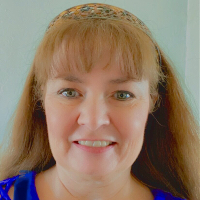
About Phyllis
She helps people talk through upsetting emotions and painful memories using practical skills. Phyllis draws on Cognitive Behavioral Therapy, Dialectical Behavior Therapy, and mindfulness ideas to teach coping tools. Sessions focus on small, usable steps rather than abstract talk.
Phyllis likes to be direct and honest in sessions. She listens, points out patterns, and works with each person to try different techniques. That can include tracking thoughts, practicing grounding skills, or learning ways to reduce intense reactions.
She also addresses issues like forgiveness, personality disorder traits, and self-harm with attention and care. Her approach is to build clear skills people can try between meetings and to check what helps most.
People who doubt themselves or compare themselves to others often find the practical focus useful. Phyllis aims to help someone notice small changes and build from there. Change is described as possible but often a slow process, and she works at a steady pace to match each person's needs.
Areas of expertise
Primary focus
Also works with
Additional focus areas
Therapeutic approaches
Experience
3+ years
Credentials
Arizona
Languages
English
Approaches used in online sessions and how they help
Phyllis commonly uses Cognitive Behavioral Therapy and Dialectical Behavior Therapy alongside mindfulness practices. CBT focuses on identifying and changing unhelpful thoughts and behaviors to reduce anxiety, low mood, and patterns that feed low self-esteem. DBT offers skills for managing intense emotions and reducing impulsive or self-harming actions through techniques like distress tolerance and emotion regulation. Mindfulness therapy teaches simple attention and breathing exercises to lower reactivity and help someone notice thoughts without acting on them.Choosing the right approach is part of the work. She will discuss goals, try techniques, and adjust the plan based on what feels realistic and helpful. That collaborative process helps match methods to everyday problems and preferences.
The therapist's biography does not list specific online session formats, so confirm current options before booking. In general, online sessions can make it easier to fit counseling into a busy day, allow shorter check-ins when needed, and remove travel time that might otherwise get in the way of regular meetings. Licensed professionals can use these formats to teach skills, review homework, and practice coping strategies during a session.
Frequently asked questions
What does she help with most often?
She works with stress, anxiety, anger, depression, addictions, trauma and abuse, eating concerns, self esteem issues, and bipolar-related challenges.
What is her therapeutic style?
She uses a straightforward approach that mixes practical skill teaching with occasional humor and direct feedback.
How much clinical experience does she have?
She holds three years of experience as an LPC practicing in mental health settings.
What are her credentials and where is she based?
She is an LPC - Licensed Professional Counselor practicing in Arizona.
What languages are supported for sessions?
Sessions are offered in English.
Does she work with international clients?
She is not currently accepting international clients.
How are sessions structured and what formats are offered?
The original biography does not specify session formats; please confirm current session options before booking.
How does pricing and scheduling work?
Cost varies with location and sessions use a subscription that can be canceled at any time; to begin, complete the short matching questionnaire and schedule a first session.