- Stress and anxiety
- Addiction coping
- Body image work
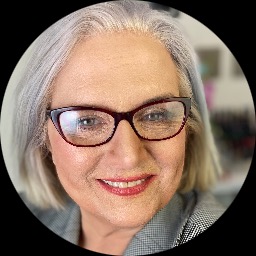
About Mary
Mary keeps sessions direct and practical. She listens to the problem you brought and helps break it into manageable steps. Conversations focus on improving daily functioning, building confidence, and reducing distressing symptoms like panic or low mood.
Her approach centers on clear goals and steady progress. She uses evidence-based therapeutic techniques to help people learn new coping skills and change patterns that no longer serve them. Work might include practicing new ways to communicate, managing anxiety symptoms, or building routines that support recovery from addictive behaviors.
Mary draws on long experience in clinical settings and community care across Indiana and Virginia. She aims to make sessions understandable and useful rather than full of jargon. The emphasis is on simple tools you can use between meetings to notice change and keep it going.
People who prefer straightforward conversation about real problems often find this practical style helpful. If you want to address low self esteem, anxiety, or the fallout from trauma and addiction, she can help map out clear steps and track progress over time.
Areas of expertise
Primary focus
Additional focus areas
Experience
26+ years
Credentials
Indiana, Virginia
Languages
English
How evidence-based techniques are used online
Mary uses evidence-based therapeutic techniques to address symptoms and everyday problems. For example, cognitive-behavioral approaches focus on identifying unhelpful thinking and testing new ways of reacting, which can help with anxiety, panic attacks, and low self esteem. Skills-based relapse prevention work teaches practical routines and coping strategies that reduce the chance of returning to addictive behaviors and support longer term recovery.Choosing the right approach is part of the work. The therapist will discuss goals, preferences, and what tends to help in similar situations, and then together they will try approaches that fit those needs. Adjustments are made over time based on what is working for the person.
The site listing does not specify session formats for this profile, so confirm current session options before booking. Many people find remote sessions useful because they can fit meetings into a workday, avoid travel time, or choose a shorter check-in when schedules are tight. Licensed professionals can also use remote ways of meeting to share worksheets, practice skills between sessions, and track progress without requiring an in-person visit.
Frequently asked questions
What concerns does she help with most often?
She commonly helps people with stress, anxiety, addictions, family conflict, self esteem, and depression. Additional focus areas include body image, communication problems, panic attacks, and post-traumatic stress.
What is her therapeutic style like?
She uses a direct, practical approach focused on clear goals and skill building. Sessions concentrate on manageable steps you can practice between meetings.
How much clinical experience does she have?
She has 26 years of professional work experience in social work and clinical care. That background informs a straightforward, skills-based way of working.
What are her credentials and where is she based?
She is a Licensed Clinical Social Worker (LCSW) and is based in Indiana, with licensure noted in Indiana and Virginia.
Which languages are supported in sessions?
Sessions are offered in English.
Can people outside the United States work with her?
She does not accept international clients at this time.
How are session costs handled?
Cost varies with location and sessions use a subscription model that can be canceled at any time. Confirm pricing for your region before booking.
What do I need to do to get started?
Select the See online therapy options button, complete the short matching questionnaire, and schedule a first session.