- CBT techniques
- Mindfulness practice
- Solution-focused steps
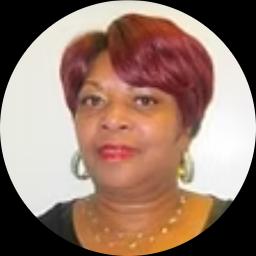
About Loretta
She has worked across child welfare and educational settings. That background shaped a practical, adaptable way of working. Sessions focus on building skills people can use between meetings. Conversations are collaborative and direct rather than long on theory.
Loretta uses evidence-based methods to help people manage symptoms and day-to-day challenges. She often blends techniques that target unhelpful thinking, increase present-moment awareness, and set short, workable goals. The emphasis is on clear steps and small changes that add up over time.
Her approach recognizes the impact of traumatic experiences and aims to reduce their ongoing effect. She attends to cultural context and individual life circumstances when planning interventions. Clients can expect straightforward feedback and concrete strategies to practice outside sessions.
With many years in varied settings, Loretta focuses on helping people develop coping skills, notice patterns that hold them back, and strengthen resilience. The aim is steadier emotion regulation and clearer decision-making rather than quick fixes. If someone wants to explore therapy, she asks about current concerns and practical goals before planning sessions.
Areas of expertise
Primary focus
Experience
35+ years
Credentials
Illinois
Languages
English
How evidence-based techniques are used in online sessions
CBT, or Cognitive Behavioral Therapy, helps people identify unhelpful thought patterns and test them with practical behavioral experiments. It is often used for anxiety, stress, and low self esteem by focusing on small changes in thinking and behavior.Mindfulness-based approaches teach focused attention and simple awareness exercises to reduce reactivity. These methods can help with stress management and improving emotional regulation through short practices between sessions.
Solution-focused techniques concentrate on concrete goals and immediate next steps. Sessions using this approach look for what is already working and build small, achievable actions to move forward.
Finding the right combination of approaches is part of the work. The therapist will discuss goals, preferences, and daily routines, then try methods that fit those needs. This is a collaborative process and adjustments are made as progress and feedback show what helps.
Confirm which session formats are available before booking, since the biography does not list specific formats. Online work can make it easier to fit therapy into a busy life by reducing travel time, allowing shorter check-ins during a break, or avoiding the need to be on camera when people prefer not to. Licensed professionals adapt pacing and tools so sessions can be practical and focused for the individual.
Frequently asked questions
What concerns does she help with most often?
She commonly helps people with stress, anxiety, trauma and abuse, grief, parenting challenges, and self esteem difficulties.
What is her general style in sessions?
Her style is collaborative and strengths-oriented, focusing on clear steps and practical skills rather than prolonged theory.
How long has she been practicing?
She brings 35 years of clinical experience across child welfare and educational settings.
What are her credentials and where is she based?
She is an IL LCSW, a Licensed Clinical Social Worker practicing in Illinois.
Which languages are available for sessions?
Sessions are offered in English.
What session formats are offered?
Please confirm current session options before booking, as formats are not specified in the biography.
How does cost work for sessions?
Cost varies with location and sessions use a subscription that can be canceled at any time.
How do I begin working with her?
Use the See online therapy options button, complete a short matching questionnaire, and then schedule a first session.