- Client-Centered Therapy
- Cognitive Behavioral Therapy
- Solution-Focused Therapy
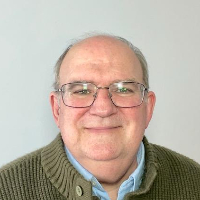
About Lawrence
He spent decades in psychiatric hospitals and community mental health and substance abuse settings. That work included helping people with persistent mental illness, mood disorders, addiction, and trauma. He also has more than 40 years of pastoral ministry experience and a master’s degree in Pastoral Ministry in addition to his master’s in Counseling.
In sessions he centers the person’s own knowledge of their life. He uses approaches such as Client-Centered Therapy and Cognitive Behavioral Therapy to help people notice unhelpful patterns and try different ways of responding. Solution-Focused Therapy and Trauma-Focused Therapy are part of his toolkit when short-term goals or trauma processing are needed.
He is comfortable discussing faith when it matters to a person’s goals and will include spiritual resources if requested. He has worked with people from many backgrounds and orientations over his career. That experience informs practical suggestions and step-by-step strategies for daily life.
People who are hard on themselves often want clear, doable steps. He aims to translate insight into concrete action, helping people reduce shame, manage difficult moods, and build steadier self-regard over time.
Areas of expertise
Primary focus
Also works with
Additional focus areas
Therapeutic approaches
Experience
34+ years
Credentials
Virginia
Languages
English
How his approaches translate to online work
Lawrence frequently uses Client-Centered Therapy and Cognitive Behavioral Therapy in his practice. Client-Centered Therapy means the therapist follows the person’s lead, listens closely, and helps people use their own strengths to solve problems. Cognitive Behavioral Therapy focuses on spotting unhelpful thinking and testing small behavior changes to reduce anxiety and low mood.He also draws on Solution-Focused and Trauma-Focused tools when appropriate. Solution-Focused work narrows in on immediate, practical goals and small steps that can be tried between sessions. Trauma-Focused work targets the effects of past harm and supports pacing and processing in ways that reduce ongoing distress.
Choosing the right approach is a collaborative process. He will talk with the person about goals, preferences, and what has or hasn’t helped before. Together they outline a plan and adjust it as progress and needs change.
Session formats are not specified in the biography, so please confirm current session options before booking. Online therapy can make it easier to fit sessions around work, caregiving, and daily commitments. It also allows for shorter check-ins when time is limited or audio-only options when bandwidth is low. These practical options can help people keep therapy consistent while attending to daily life.
Frequently asked questions
What concerns does he focus on most?
He focuses on stress, anxiety, addictions, relationship and family concerns, trauma and abuse, grief, parenting, self esteem, bipolar disorder, and depression.
What is his therapeutic style?
He practices in a person-centered way and uses approaches like Client-Centered Therapy, Cognitive Behavioral Therapy, Solution-Focused Therapy, and Trauma-Focused Therapy depending on the need.
How much clinical experience does he have?
He brings 34 years of clinical experience, including many years working in psychiatric hospitals and community mental health and substance abuse settings.
What are his credentials and location?
He is an LPC and LMFT licensed in Virginia.
Which languages are supported?
Sessions are offered in English.
Does he work with international clients?
He is not accepting international clients.
How are session costs handled?
Cost varies with location and sessions use a subscription that can be canceled at any time.
How do I begin a first session?
Use the See online therapy options button, complete a short matching questionnaire, and schedule a first session.