- Anger management
- Self esteem work
- Mood disorders
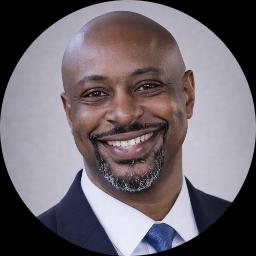
About George
He focuses on practical, straightforward conversations. Sessions look at how thoughts and behavior interact. He helps people notice patterns that keep them stuck and practices small changes they can use between meetings.
His background includes work with addiction and mood disorders, and he has supported people affected by trauma and abuse. He also addresses issues linked to personality challenges and blended family dynamics. That experience shapes how he plans sessions and sets goals with each person.
George treats substance use and related problems such as drug and alcohol addiction alongside mood regulation. He also works with concerns tied to disruptive mood patterns and antisocial personality traits, aiming to reduce conflict and improve daily functioning.
In sessions he leans on evidence-based therapeutic techniques to guide interventions. He values a direct, collaborative style that encourages practical skills practice between meetings. People looking for clear steps to manage emotions, strengthen self-worth, or stabilize mood often find this approach helpful.
To begin, he asks people to describe current struggles and priorities so together they can set realistic, measurable goals and decide on the next steps.
Areas of expertise
Primary focus
Also works with
Additional focus areas
Experience
13+ years
Credentials
North Carolina
Languages
English
How evidence-based approaches translate to online work
George uses evidence-based therapeutic techniques that focus on changing unhelpful thinking and behavior and on stabilizing mood. Cognitive approaches help identify and reframe negative thoughts that erode self-esteem, teaching practical ways to challenge comparisons and self-criticism. Behavioral techniques focus on small, achievable actions to build confidence and reduce avoidant patterns.He also draws on mood-stabilizing interventions that help people recognize early signs of mood shifts and put clear strategies in place. These methods aim to make day-to-day routines and coping plans more predictable, which can reduce intense swings and impulsive reactions.
Finding the right approach is a collaborative process. George works with each person to set goals, try methods, and adjust the plan based on what helps most. He explains options plainly and recommends exercises or skills to practice between sessions so progress can be assessed together.
Session formats are not listed in the biography, so confirm which online options are offered before booking. Online work can make it easier to fit therapy into a busy schedule, allow shorter check-ins when needed, and remove travel time. Therapists and licensed professionals often find these practical benefits help people maintain consistency while working on emotion regulation, self-esteem, and addiction-related goals.
Frequently asked questions
What concerns does he address most often?
He commonly works with anger, self-esteem, bipolar disorder, addictions, and issues related to trauma and abuse.
What is his therapeutic style?
He uses a straightforward, collaborative approach focused on practical skills and behavior change rather than abstract theory.
How much professional experience does he have?
He has 13 years of professional experience working in clinical settings and with people facing mood and addiction concerns.
What credentials and location are listed for him?
He holds an LCMHC credential and practices in North Carolina.
Which languages are supported in sessions?
Sessions are offered in English and he accepts international clients.
What session formats are available?
Session formats are not specified in the biography; confirm current session options before scheduling.
How are sessions paid for and what do costs look like?
Cost varies with location and sessions use a subscription that can be canceled at any time.
How do I start working with him?
Select the See online therapy options button, complete a short matching questionnaire, and schedule a first session.