- CBT methods
- Attachment focus
- Emotion work
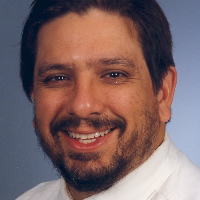
About David
He takes a practical, conversational approach in sessions. He uses ясно language and direct questions to identify patterns that keep people feeling stuck. He places attention on past relationships and attachment patterns, and on current thoughts and behaviors that maintain distress.
David draws from cognitive behavioral ideas to help people notice and change unhelpful thoughts and responses. He also uses attachment-based perspectives to look at how early and current relationship patterns shape feelings about worth and connection. Emotionally-Focused Therapy ideas guide work on closeness and emotional responses in important relationships.
Sessions focus on what a person wants to change and small, doable steps toward those goals. He avoids labels that feel stigmatizing and aims for clear feedback and practical tools clients can try between meetings. Techniques may include skills for emotion regulation, communication practice, and problem-focused steps to reduce anxiety or substance-related risks.
People who are hard on themselves often find attention to both thought patterns and relationship habits useful. He works in a straightforward manner, helping people test new ways of thinking and relating so they can feel more competent in daily life.
Areas of expertise
Primary focus
Also works with
Therapeutic approaches
Experience
35+ years
Credentials
Minnesota
Languages
English
How attachment, emotions and thinking are used in online work
Attachment-based work looks at how early and current relationship patterns shape reactions and beliefs about worth. It helps people understand why they may feel disconnected, guarded, or hard on themselves in close relationships.Cognitive Behavioral Therapy (CBT) focuses on identifying unhelpful thoughts and testing them in everyday life. It offers practical exercises to reduce anxiety, shift negative self-talk, and change behaviors that maintain low self-esteem. Emotionally-Focused Therapy (EFT) concentrates on emotions in close relationships, helping people name feelings and respond differently to increase connection and reduce reactive cycles.
Choosing an approach is a collaborative process. The therapist will work with each person to match these methods to their goals and preferences, adjusting the plan as progress is made. This means trying techniques, checking what helps, and changing course when needed.
Session formats are not specified in the original biography, so confirm current options before booking. Many people find online sessions make it easier to fit counseling into a workday, reduce travel time, or schedule shorter check-ins when life is busy. Others appreciate being able to continue care across locations within the same state. The focus is on making sessions practical and usable within everyday routines rather than promising a particular delivery style.
Frequently asked questions
What concerns does he commonly help with?
He works with relationship problems, trauma and abuse, parenting stress, anxiety, depression, addictions, grief, anger, intimacy issues and self esteem struggles.
What is his general way of working in sessions?
He uses a conversational, practical style that emphasizes clear feedback and doable steps. Sessions often combine talking through relationship patterns with concrete skills practice.
How much clinical experience does he have?
He has 35 years of experience as a counselor and therapist in clinical practice.
What credentials and location apply to his practice?
He is a LICSW licensed in Minnesota and practices in that state.
Which languages are supported for sessions?
Sessions are offered in English.
Can international clients work with him?
He is not accepting international clients at this time.
How are fees and billing handled?
Cost varies by location and sessions use a subscription that can be canceled at any time.
How do I begin a first session?
Select the See online therapy options button, complete a short matching questionnaire, and schedule a first session.