- CBT methods
- Motivational interviewing
- Trauma focus
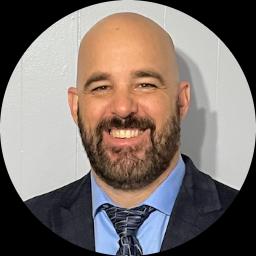
About Charles
He keeps session talk straightforward. Conversations aim to identify what feels most unmanageable and build small changes that add up. Clients describe patterns, triggers, and what has been tried before, and he helps turn those observations into clear next steps. Practical skills and decision-making are emphasized over jargon.
Charles uses approaches that shape how he talks and plans work together. Client-Centered Therapy guides how he listens and responds. Cognitive Behavioral Therapy helps spot thinking patterns that keep problems going. Motivational Interviewing supports people who are unsure about change, and Trauma-Focused Therapy is used when past harm keeps affecting daily life.
His style favors clarity and steady pacing. He will talk through options and suggest specific exercises to try between sessions, such as thought records or brief behavior experiments. The aim is to reduce overwhelm and create manageable ways to test new habits.
People who are hard on themselves often appreciate this direct, practical approach. He asks for concrete examples and focuses on what can be changed now. If you want straightforward help with self esteem or persistent anxiety, the work will center on small, actionable steps and regular review.
Areas of expertise
Primary focus
Also works with
Additional focus areas
Therapeutic approaches
Experience
3+ years
Credentials
Texas
Languages
English
How his approaches translate to online sessions
Client-Centered Therapy focuses on listening and reflecting back what matters to you; online sessions use that same attention to help you clarify concerns and priorities. Cognitive Behavioral Therapy (CBT) breaks problems into thoughts, feelings, and actions, then tests small changes; virtually it often involves homework like thought records and simple behavior experiments you do between meetings. Motivational Interviewing is a collaborative, nonconfrontational way to explore readiness for change and can help when you feel stuck or uncertain about next steps.Choosing the right approach is part of the work. He will discuss options with you and together decide which methods match your goals and preferences. That collaboration means approaches can shift as needs evolve rather than sticking to a single method from the start.
The practical benefits of online sessions depend on the formats offered, so please confirm current session options before booking. Online meetings can make it easier to fit therapy into a busy week, allow shorter check-ins when time is limited, and reduce travel time. They also make it simpler to try exercises between sessions and to bring real-life examples into conversation. Licensed professionals tailor pacing and tools so online work remains focused and usable in daily life.
Frequently asked questions
What concerns does he help with most often?
He commonly works with stress, anxiety, addictions, anger, depression, grief, bipolar challenges, and self esteem issues.
What is his therapeutic style like?
He keeps sessions straightforward and practical, focusing on clear steps and exercises you can try between meetings.
How much clinical experience does he have?
He has three years of professional experience as a licensed clinician in Texas.
What credentials does he hold and where is he based?
He is an LCSW licensed in Texas and practices from that state.
Which languages are sessions offered in?
Sessions are offered in English.
Can people outside the U.S. work with him?
He does not accept international clients at this time.
How are sessions priced?
Cost varies with location and sessions use a subscription model that can be canceled at any time.
How do I begin working with him?
Select the See online therapy options button, complete a short matching questionnaire, and schedule a first session.